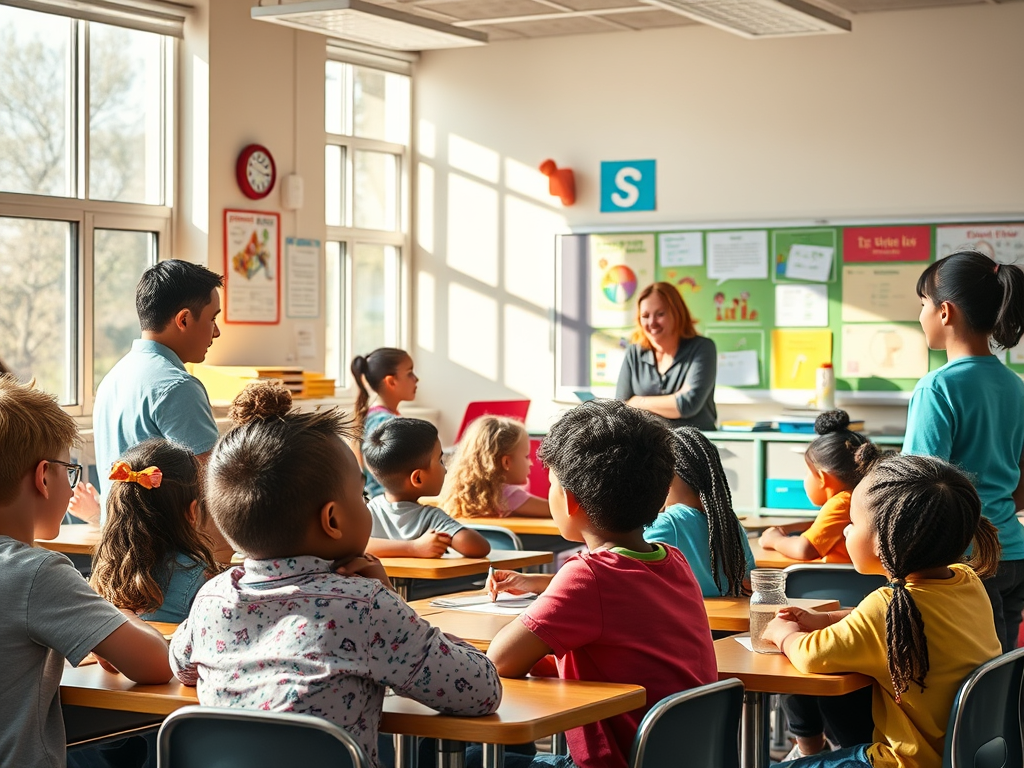
Understanding Student Development for Better Classroom Management

How do you feel about classroom shenanigans?
I feel more like, “Teaching is a walk in the park… Jurassic Park!” I came across this quote while preparing for a professional development for colleagues.
A fellow colleague shared an intriguing observation during a recent class visit. He noted that some of the routines I employ with my students might be valuable insights for other faculty members. This feedback prompted me to delve deeper into the matter. After careful reflection and research, I realized that this set of practices could benefit other educators in a wider community. In an effort to spread these valuable experiences, I have compiled a list of classroom management techniques. I hope this helps not only my colleagues at work, but others who are in the education sector.
In a post-COVID educational landscape, some research suggests that students’ behavior relatively worsen. Many students spend extended periods using digital devices for remote learning. As a result, their motivation and enthusiasm for in-person education may have decreased. Moreover, the limited opportunities for social interaction have created additional challenges. Educators find it more difficult to manage student behavior. It is also harder to foster a positive classroom environment.
To provide effective solutions, we must first understand the students’ characteristics. It is crucial to gain insight into their developmental profiles. I teach upper elementary students. To better comprehend their development, I delved into various learning theories. To illustrate these ideas, I have included slides from my presentation. These slides draw from various sources and are not entirely my own words. This analysis of learning theories should assist in identifying the best strategies. It should also help in engaging with our students effectively.
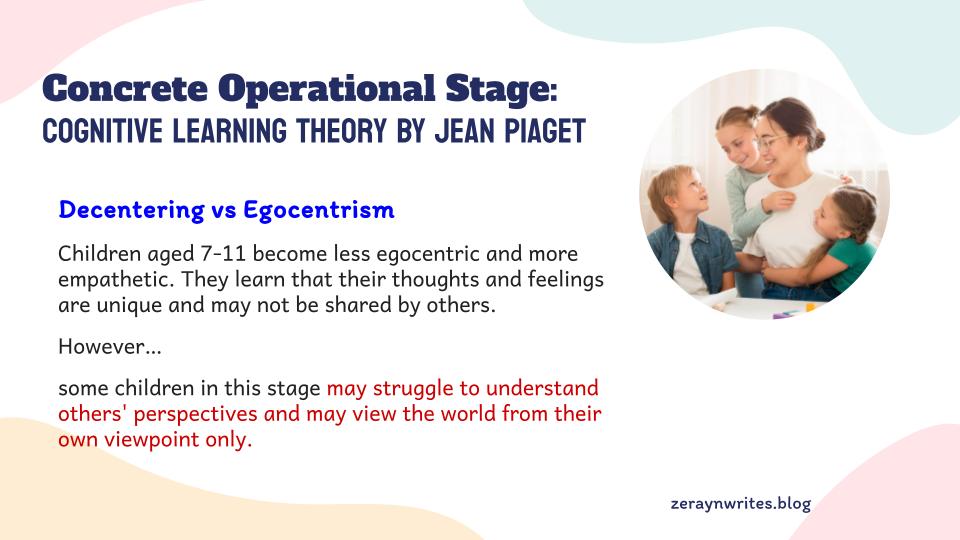
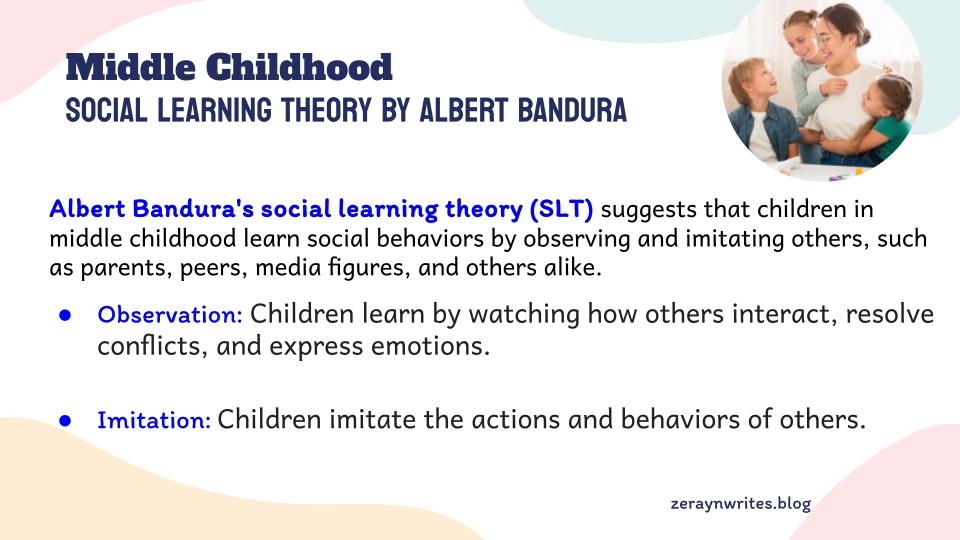
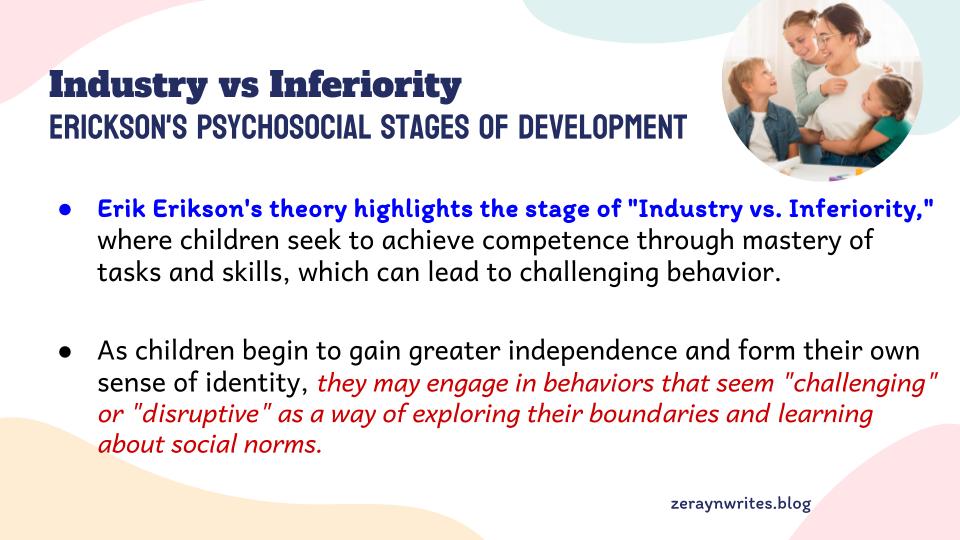
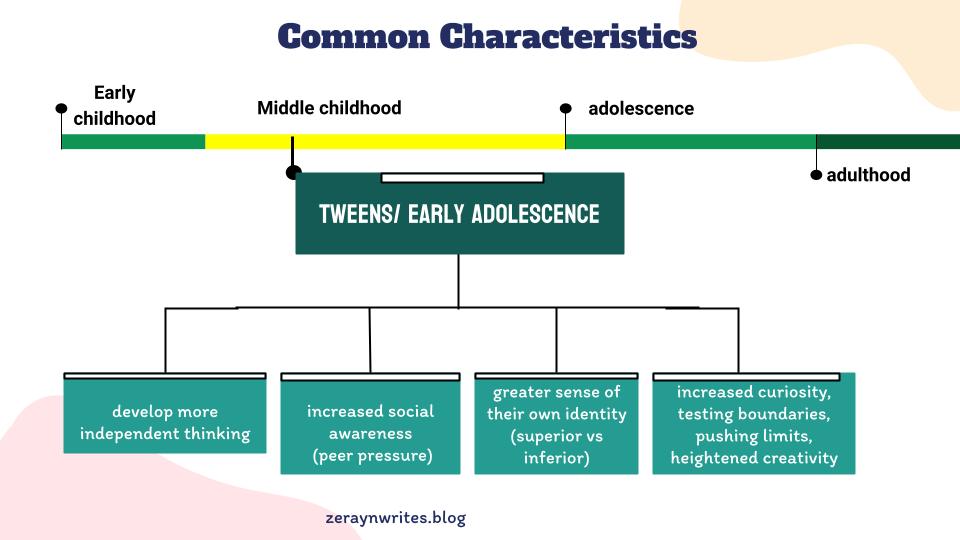
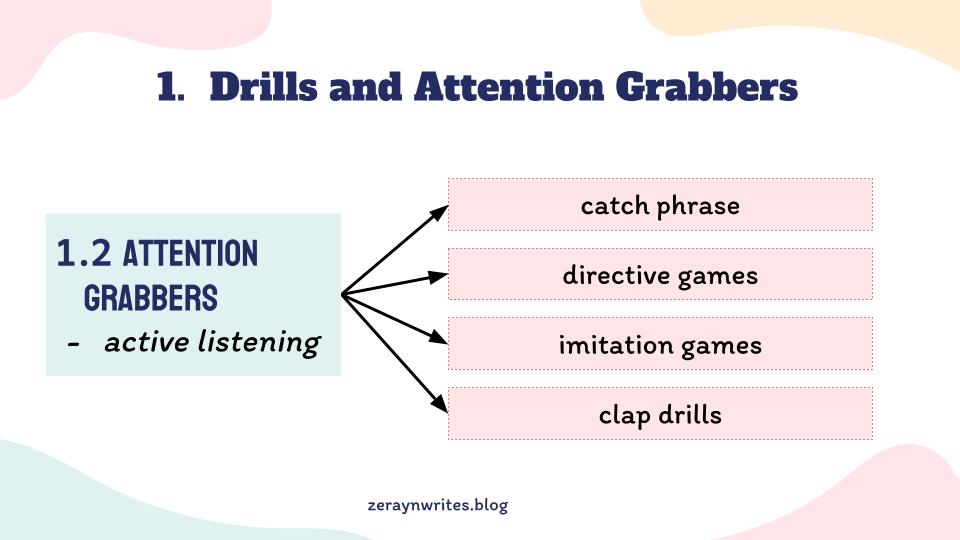
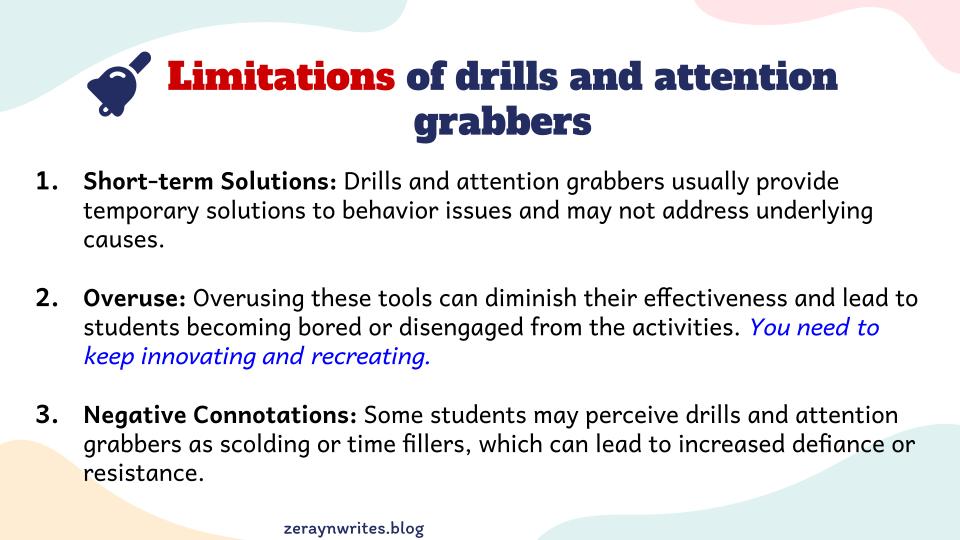
Educators need to understand their students’ characteristics. They should also consider students’ development to provide the most effective classroom management strategies. Drills and attention grabbers can effectively maintain order. They keep students engaged. This ultimately contributes to a seamless and productive classroom routine.
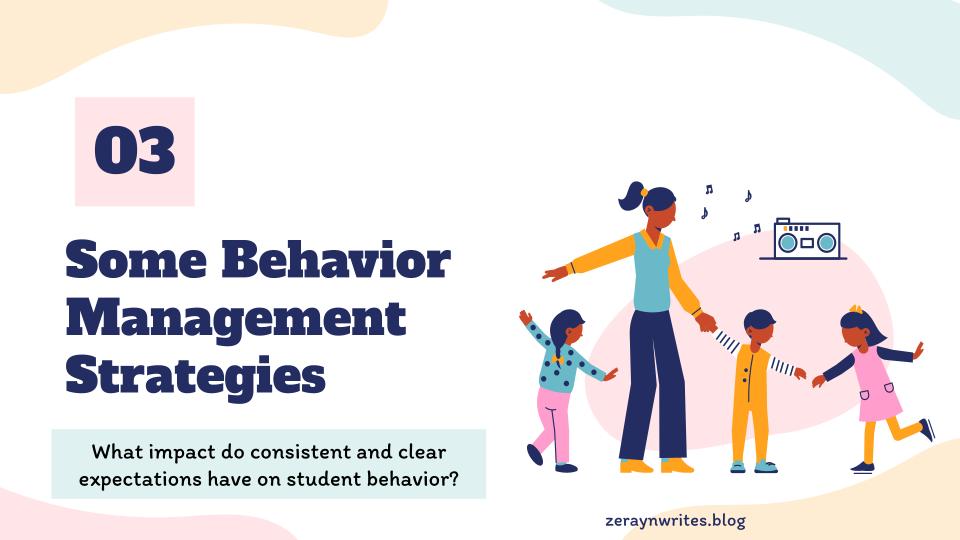
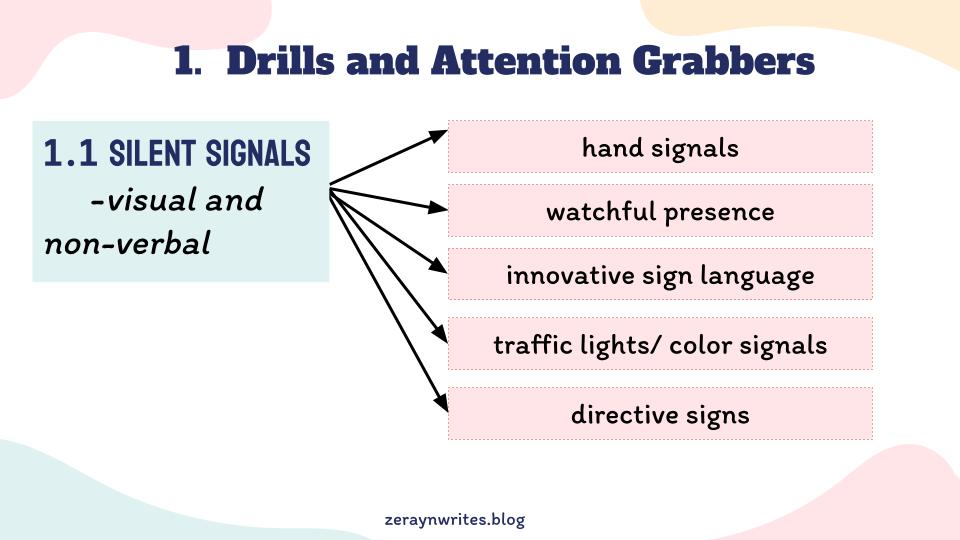
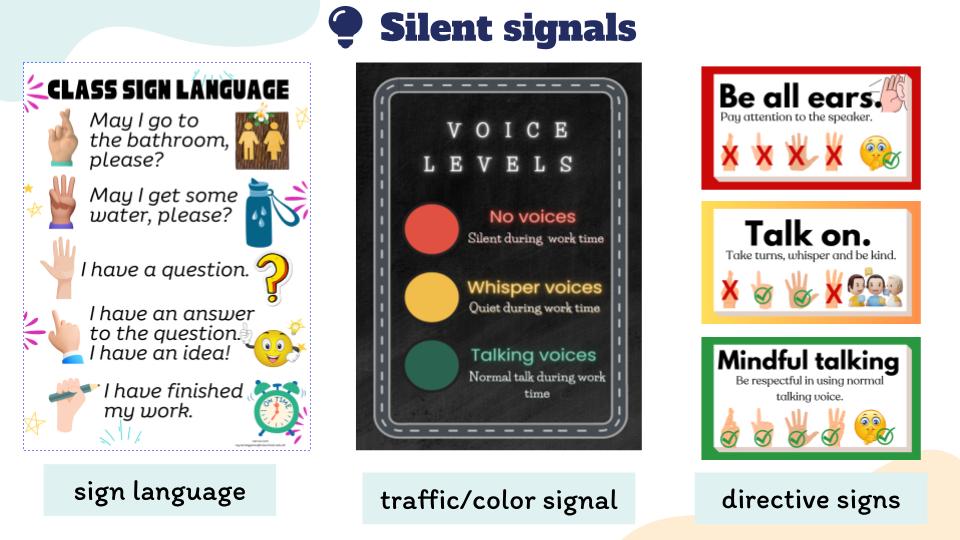
In conclusion, consistency is the paramount factor for effective classroom management in middle childhood classrooms. Successful behavior management depends on teachers’ ability to foster cognitive skill development. They must also model desirable behavior and facilitate positive interpersonal relationships among students. Educators can effectively support the learning and social-emotional development of their students by establishing a consistent and nurturing learning environment. This approach ultimately leads to greater academic achievement. It also ensures overall success.
Reference/sources:


 Per-nal
Leave a comment